Looking for a Nashville neighborhood that feels close to downtown but has a personality all its own? Wedgewood-Houston, often called WeHo, stands out for its creative energy, adaptive-reuse architecture, and growing mix of housing, dining, and cultural destinations. If you are considering a move, a relocation, or a strategic purchase in this part of Nashville, this guide will help you understand what daily life and the real estate landscape really look like. Let’s dive in.
Why Wedgewood-Houston Stands Out
Wedgewood-Houston sits a few blocks south of Downtown Nashville, which is a big reason it continues to draw attention. You get close-in access to the city while living in a neighborhood with its own identity and rhythm.
Metro planning materials describe Wedgewood-Houston and Chestnut Hill as neighborhoods under significant pressure for change in zoning, land use, density, price structure, and demographics. That matters because when you move here, you are not buying into a static area. You are buying into a neighborhood that is still evolving.
Another thing to know is that local boundaries can vary. Nashville notes that neighborhood lines are advisory rather than fixed, so the exact edges of WeHo may look a little different depending on the map you are viewing.
WeHo’s Creative Identity
Wedgewood-Houston has built a strong reputation as one of Nashville’s creative hubs. The neighborhood is known for galleries, studios, workshops, makers, startups, coffee shops, restaurants, breweries, and other businesses that often occupy converted industrial spaces.
That industrial-to-creative shift is more than a marketing phrase. It is visible in the built environment, where former warehouses and industrial buildings now house many of the area's best-known destinations.
Adaptive reuse plays a major role in the neighborhood’s character. Soho House Nashville, for example, is set in a former sock factory, and Hermès is part of the restored May Hosiery Mills and Wedgewood Village campus. That blend of old industrial bones and modern design is one of the defining visual themes in WeHo.
Arts and Culture in WeHo
If you want a neighborhood with regular arts programming, Wedgewood-Houston delivers. The WeHo Art Crawl takes place on the first Saturday of every month and is free to attend, with more than a dozen venues participating.
That kind of recurring event helps shape the neighborhood’s day-to-day feel. Arts are not tucked away here. They are part of what people experience on the street and in the community throughout the month.
The gallery scene continues to grow as well. With newer additions like CASS Contemporary opening a Nashville location, the neighborhood’s creative ecosystem keeps expanding.
Dining, Nightlife, and Social Life
Wedgewood-Houston has become a destination for dining and nightlife, especially if you like places with strong design and a distinct point of view. Recent examples in the area include Bastion, Pastis, Aba, Sushi Row, and Middleman, along with event and live-music spaces tied to larger mixed-use projects.
This is one of the reasons WeHo appeals to buyers who want more than just a home. The neighborhood offers a lifestyle that can feel active and urban, with options for dinner, coffee, art, and social outings within a relatively compact area.
That said, the experience is often node-based rather than perfectly uniform. Some pockets feel more walkable and active than others, depending on how close you are to the main clusters of restaurants, galleries, and mixed-use development.
Getting Around Wedgewood-Houston
Proximity to downtown is one of WeHo’s biggest advantages. Because the neighborhood sits just south of the urban core, many buyers are drawn to it for easier access to central Nashville without living in the central business district.
Transportation improvements are also part of the story. The Fairgrounds infrastructure project includes the Wedgewood Avenue extension, which is planned to create a dedicated multimodal route through the Fairgrounds campus into Wedgewood-Houston.
Metro transportation projects in nearby corridors are also adding protected bike lanes, improved transit stops, and stronger connections into the neighborhood. In practical terms, that supports the area’s long-term appeal for buyers who value connectivity, even though walkability can still vary by block.
Housing Types in Wedgewood-Houston
The housing mix in Wedgewood-Houston has been changing in a meaningful way. Before the 2021 zoning update, most parcels in the overlay area were zoned for lower-density single-family or duplex use, but the rezoning was intended to encourage more contextual infill, housing diversity, and preservation of neighborhood character.
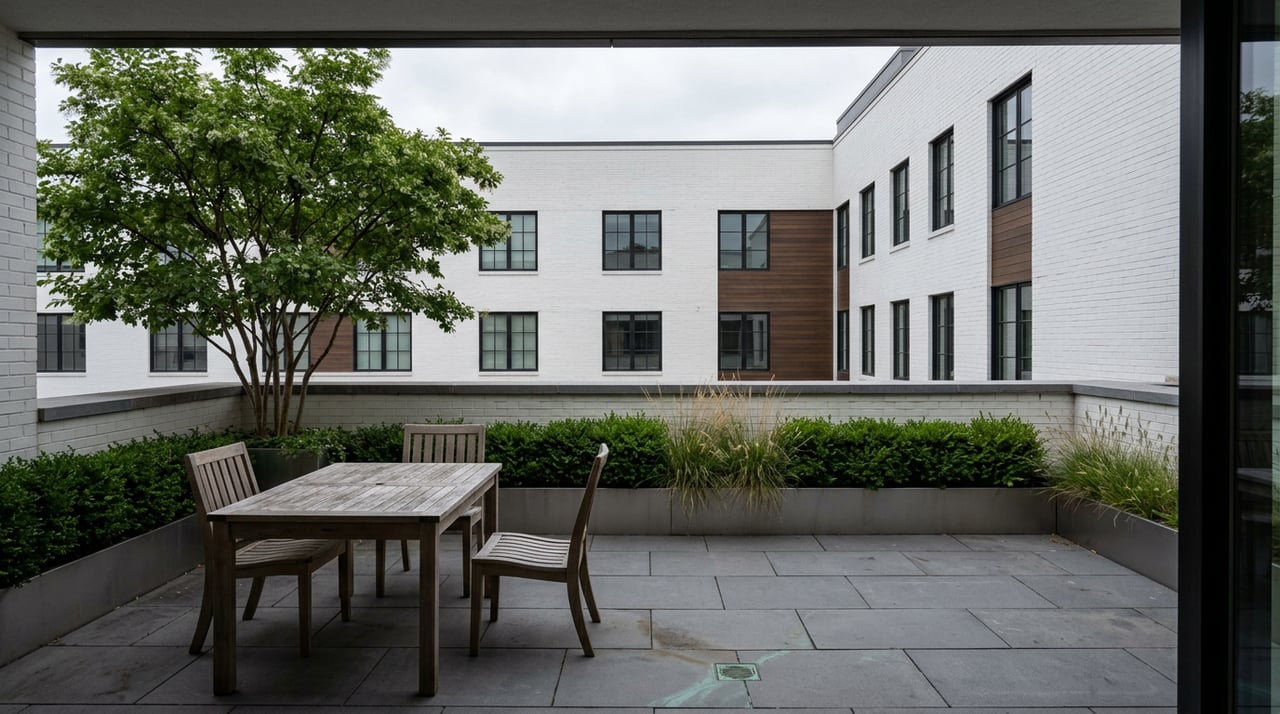
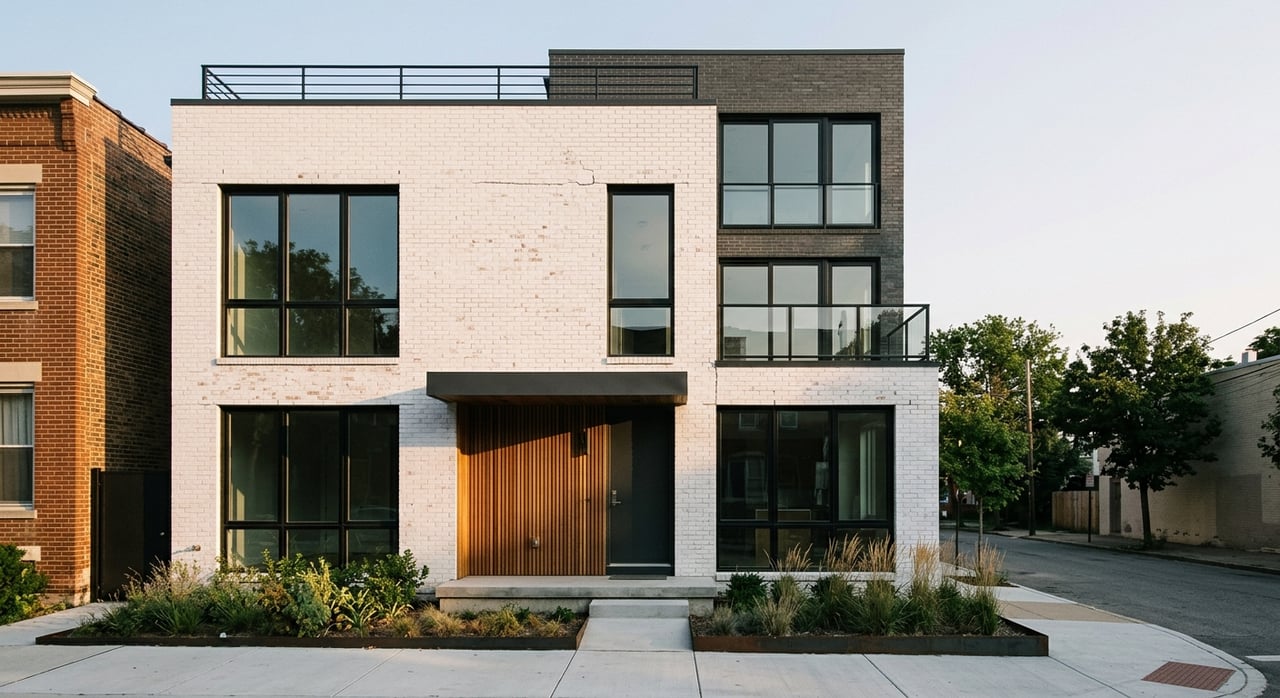
For buyers, that means WeHo is moving toward a broader range of housing options. Instead of one dominant housing type, you are more likely to see a mix of townhomes, duplex and triplex-style infill, apartments, and adaptive-reuse residential projects.
That shift is already visible in the current market. Examples include Queens Wedgewood-Houston, a 221-unit multifamily community with studio through three-bedroom units, and The Cecilia, a 37-home build-to-rent townhome community.
What Homes Cost in WeHo
Pricing in Wedgewood-Houston can vary depending on the source and the timing, so it is better to think in ranges than to focus on one exact figure. Recent data points place the neighborhood in Nashville’s upper mid-market to luxury-adjacent range.
As of late spring 2026, Zillow reported an average home value of $671,555. Redfin reported a median sale price of $724,706 for the three months ending in May 2026, while Realtor.com’s December 2025 data showed a median home sale price of $595,000 and a median listing price of $679.9K.
Days on market also vary by source, with figures ranging from 66 to 107 days. That suggests a market that is active, but not necessarily moving at the same speed on every property or every block.
What Buyers Should Consider
Wedgewood-Houston can be a strong fit if you want a close-in Nashville location with creative energy and a neighborhood feel that is still taking shape. It is especially relevant if you are relocating and want access to downtown while keeping some separation from the office core.
The biggest opportunity here is also the biggest variable. Because WeHo is evolving block by block, your experience can change significantly from one street to the next.
That makes due diligence especially important. When you are comparing homes in Wedgewood-Houston, it helps to evaluate not just the house itself, but also the immediate surroundings, nearby development activity, access points, and the specific lifestyle each pocket supports.
Why WeHo Appeals to Strategic Buyers
From an advisory standpoint, Wedgewood-Houston is interesting because it combines location, identity, and visible investment. The neighborhood’s ongoing adaptive reuse, mixed-use development, and zoning evolution create a different decision-making process than you might find in a more stable, built-out area.
For some buyers, that creates opportunity. If you value long-term positioning, close-in access, and a neighborhood with strong cultural momentum, WeHo may deserve a closer look.
It also rewards a measured approach. In a neighborhood changing this quickly, the best decisions usually come from understanding the details behind the address, not just the headline appeal.
If you are thinking about buying, relocating, or evaluating where Wedgewood-Houston fits into your Nashville search, working with a local advisor can help you compare the nuances street by street and property by property. When you are ready for a more strategic conversation, connect with Jack Costigan to book a consultation.
FAQs
What is Wedgewood-Houston known for in Nashville?
- Wedgewood-Houston is known for its creative identity, adaptive-reuse industrial buildings, galleries, restaurants, and close proximity to Downtown Nashville.
How close is Wedgewood-Houston to Downtown Nashville?
- Wedgewood-Houston sits just a few blocks south of Downtown Nashville, which makes it appealing for buyers who want quick access to the city core.
What types of homes are available in Wedgewood-Houston?
- The neighborhood includes a growing mix of townhomes, infill housing, apartments, and adaptive-reuse residential projects rather than one single dominant housing type.
What is the real estate price range like in Wedgewood-Houston?
- Recent data places Wedgewood-Houston in Nashville’s upper mid-market to luxury-adjacent range, with reported values and sale prices roughly spanning from the high $500,000s to the low-to-mid $700,000s depending on source and timing.
Is Wedgewood-Houston a good fit for Nashville relocation buyers?
- It can be a strong fit if you want a close-in neighborhood with downtown access, creative energy, and a mix of newer development and adaptive-reuse projects.
What should buyers watch for in Wedgewood-Houston?
- Buyers should pay attention to block-by-block differences, nearby development activity, access, and how each specific pocket aligns with their lifestyle and long-term goals.