Before buying a Nashville luxury home with a pool, separate three questions: what the property records establish, what a qualified inspection can establish today, and what it will cost to operate the pool under your plan. Clear water, attractive stonework and a recent service visit do not answer all three.
The useful deliverable is a pool file connecting the approved site information, equipment identity, service history, inspection scope and property-specific cost proposals. If the pool is closed for the season, make the untested items visible before relying on a reassuring overall condition description.
Confirm the responsible jurisdiction and available records
Identify which authority handles the exact property's building and site questions. A Nashville mailing address is not enough to assume every Greater Nashville home follows the same permit process. Incorporated municipalities can require their own review; confirm the responsible office before interpreting an old file.
For work within Metro's permitting jurisdiction, its residential building-permit procedures lists pool construction or installation among work requiring a permit and explains the site-plan review. Ask for the records applicable to the pool and later changes, including the available inspection history. This article does not supply a universal setback, decide whether an existing pool complies or establish that a particular project has final approval.
Match the documents to the actual pool, deck, equipment area and nearby structures. Identify changes in the footprint, added equipment or work that the available plan does not explain. Have the appropriate authority and transaction professionals address a material discrepancy. A permit number and a current physical inspection answer different questions.
Make an equipment inventory before requesting a proposal
Identify the pump, filter, heater if present, controls, treatment equipment, cover system and any separately operated spa or water feature. Retain model references, manuals, installation or replacement dates where supported, and the service provider's description of the current setup. Separate the pool's age from the age of each component.
Ask what is owned, leased, under a service agreement or subject to a separate warranty. Confirm any transfer or continued-service terms directly with the relevant provider. A seller's description of a new heater should be supported by the actual model, dated work and applicable documentation before it changes the buyer's budget.
Part of the pool file | Evidence to obtain | Question that remains separate |
|---|---|---|
Site and work history | Relevant plans, permits and available inspections | What does the authority confirm about this property and work? |
Equipment | Models, dated replacements and manufacturer instructions | What can the specialist test and what needs further review? |
Service history | Dated visits, reported problems, repairs and invoices | Does the history explain recurring work or unresolved concerns? |
Access protection | Barrier, gate, cover and other applicable features | What do the authority and qualified professionals require or recommend? |
Seasonal status | Opening or closing record and inspection limitations | Which functions were not observed operating? |
Ownership cost | Written service and repair proposals for the actual system | Which costs recur and which are immediate or conditional? |
Agree on what the inspection will actually cover
Request a written scope from a qualified pool specialist. Ask which components, visible surfaces, operating functions and records will be examined, which tests are included, and what falls outside that service. Do not assume the general home-inspection appointment includes a comprehensive pool evaluation.
Give the specialist the seller's reported concerns and service history before the visit. If a possible leak, electrical issue, structural concern or other defect needs a different investigation, obtain the appropriate professional scope. A routine cleaning invoice should not be presented as a diagnosis or as confirmation that every system functions.
Keep the observation, explanation and recommended next step together. A useful report identifies what was examined, the conditions during the visit and the limits of the conclusion. No inspection described here has been performed on an actual home.
Use the Nashville home-inspection discussion to organize the broader purchase review, then obtain an explicit pool scope. Keep the specialist’s findings and seasonal exclusions attached to the property questions they actually answer.
Make the seasonal inspection gap explicit
If the pool is winterized or covered, ask the specialist what can be assessed safely in that condition and what would require a properly arranged return visit. Record functions not demonstrated and the evidence, if any, supporting their condition. A photograph from the previous summer does not establish current performance.
Have the responsible professionals coordinate access, seller authorization and any necessary service arrangement. Do not remove a cover, start equipment or undo winterization simply to complete a buyer's checklist. If a material question remains unanswered, discuss its effect on the purchase decision and actual agreement with your agent and attorney.
Distinguish a proposed future test from a completed test. Keep any agreed responsibility, timing and documentation with the transaction file. This workflow creates no automatic repair obligation, escrow arrangement or right to delay closing.
Review access protection independently of appearance
The CDC's pool-safety guidance calls for fencing that separates a home pool from the house and for self-closing, self-latching gates. Treat that as federal prevention guidance alongside the current requirements and professional review applicable to the property. A decorative perimeter fence or an attractive cover should not be assumed to answer every access-protection question.
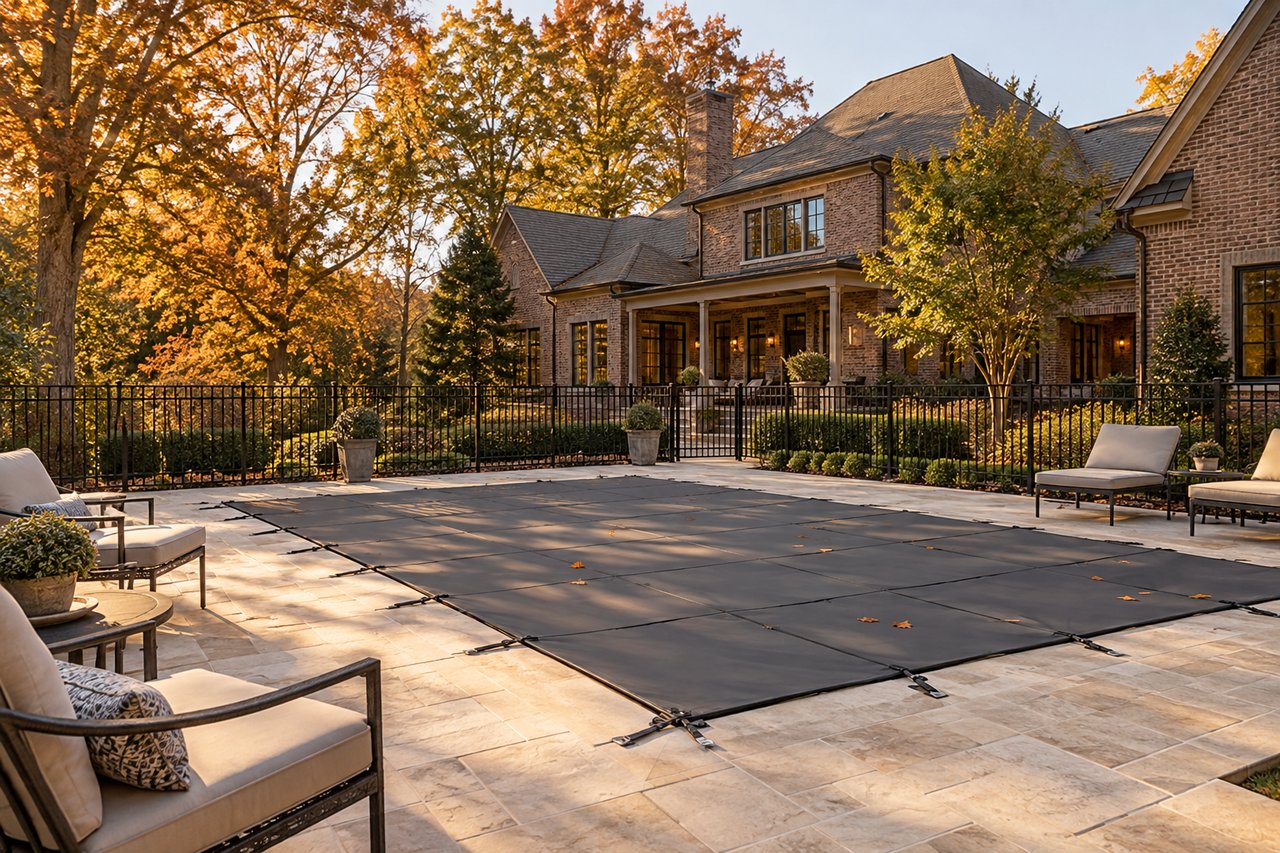
Discuss the pool and intended use with the insurance professional as well. Ask for the actual proposed coverage, exclusions and conditions. Neither this article nor its illustrative cover certifies a barrier, cover, installation or insurance arrangement.
Request an ownership-cost proposal with a clear scope
Ask the service provider to identify the visit frequency, included work, materials treatment, seasonal services, repair exclusions and response arrangements for this pool. Separate regular care from opening and closing, equipment replacement, an identified repair and any desired upgrade. Use dated written proposals rather than a generic annual pool allowance.
Build the first-year plan from the immediate work and the recurring service commitments. Keep later replacements and unresolved-condition scenarios visible separately. If heating or another feature changes the operating plan, ask for the supported assumptions instead of borrowing another household's energy bill.
The Costigan Group luxury-home advisory connects these property questions with the broader purchase. Bring the pool file, inspection limits and cost proposals into the home-buying discussion before treating the amenity as a fully understood part of the home.
Written by Jack Costigan, The Costigan Group. Metro and CDC guidance checked October 20, 2026. No actual pool, inspection, permit file, service quote or local cost sample was examined. Cover: an AI-generated illustrative Nashville-style property, not an actual listing or certified installation.