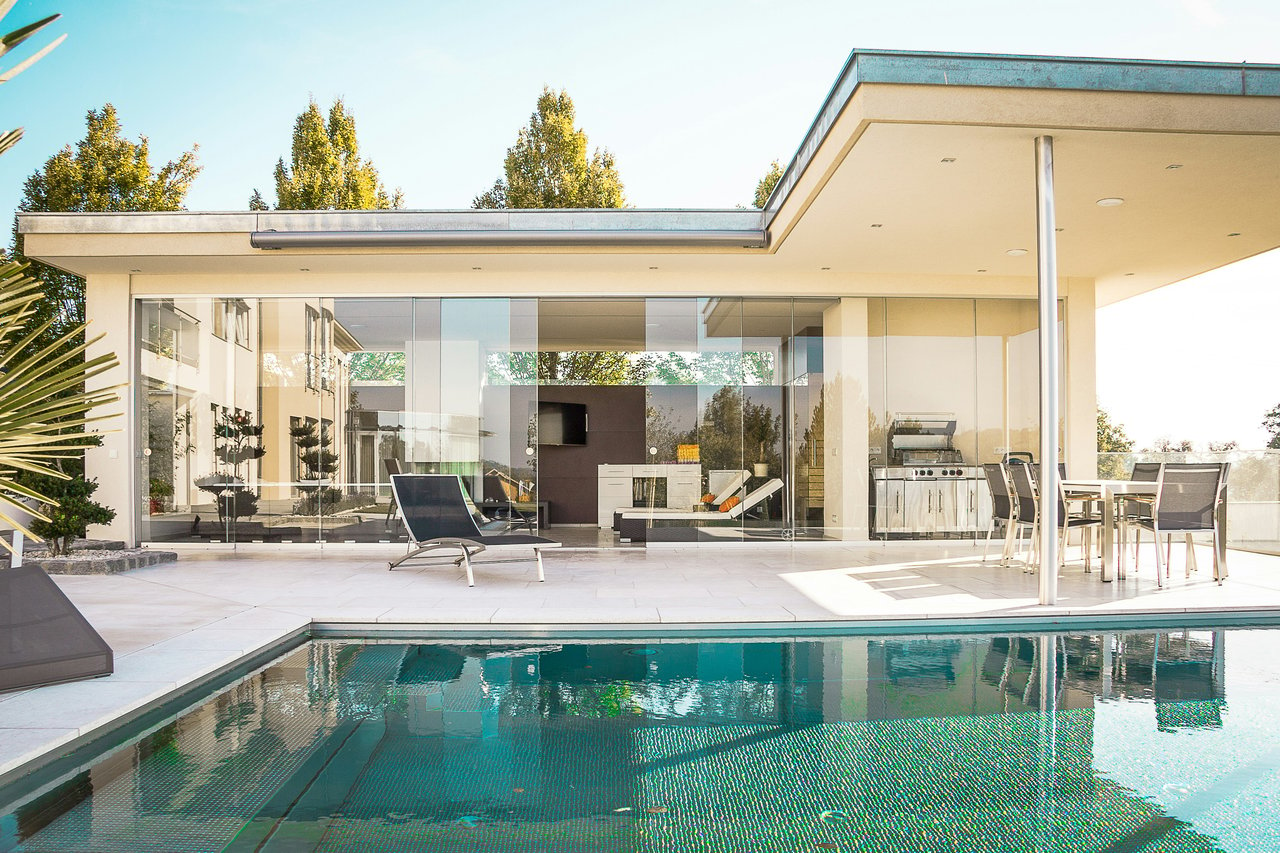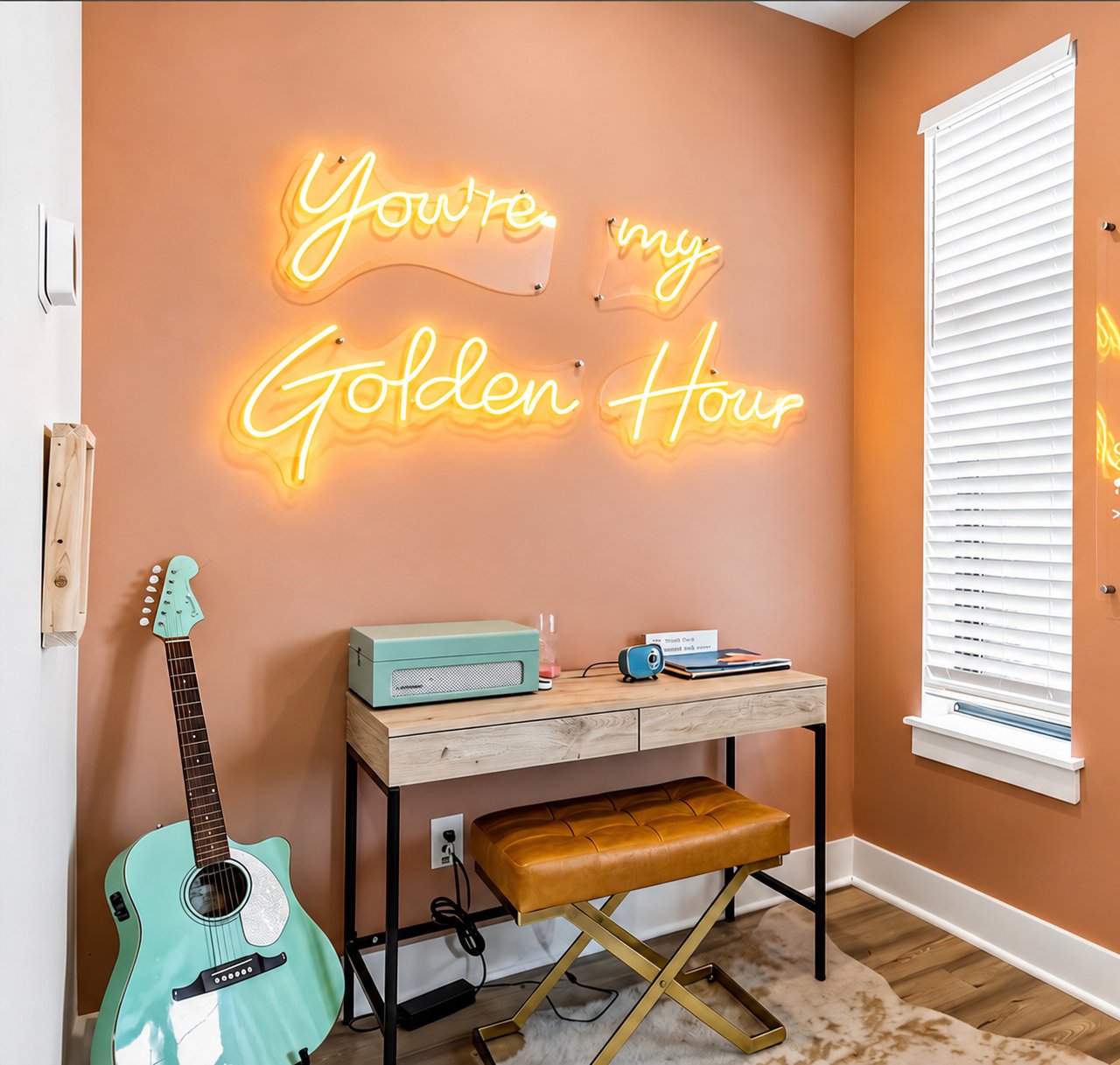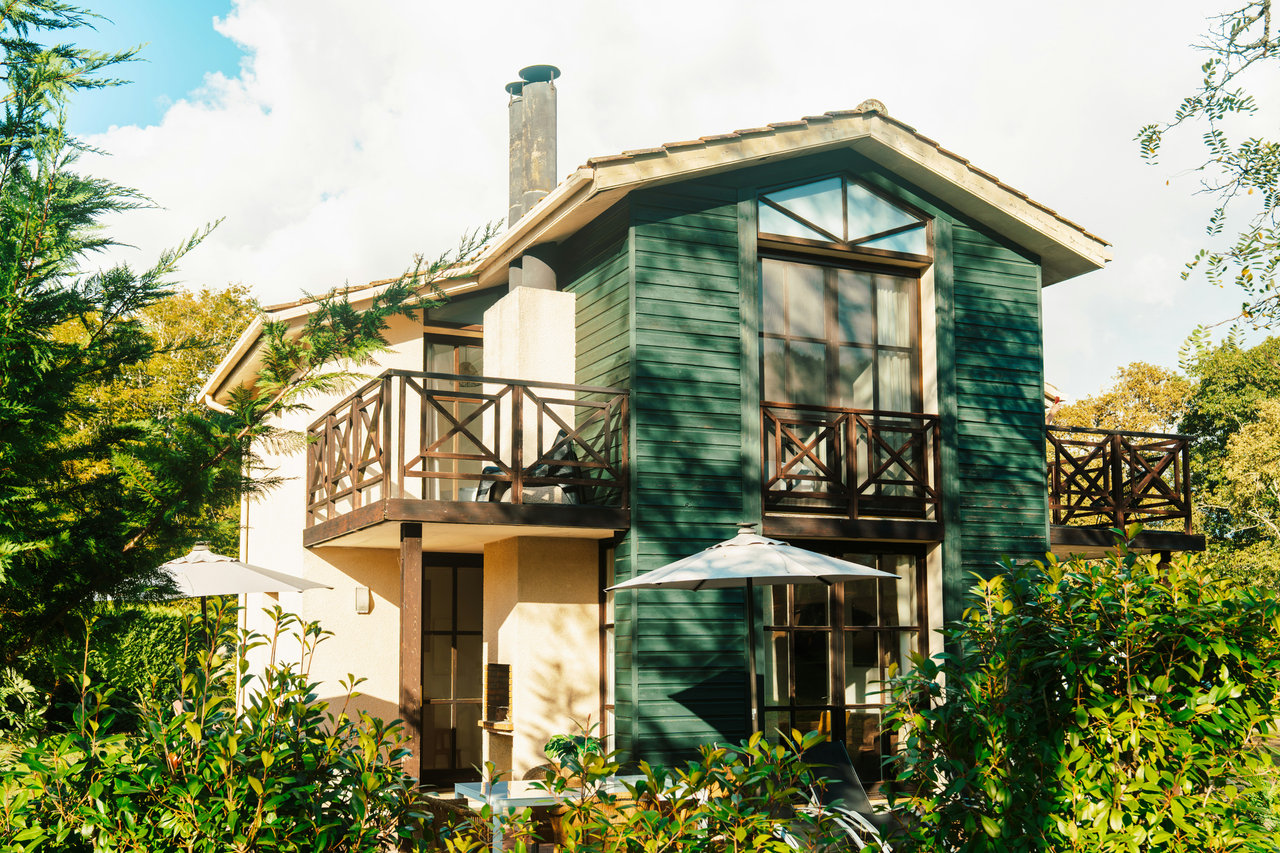
An appraiser working a Germantown deal this spring has a problem the median price can't solve. On the same block, a restored 1880s cottage closes at $1.4M, a three-story new-build townhome asks $2.15M, and a 900-square-foot condo trades at $445K. All three are "Germantown comps." None of them are actually comparable to each other. If a buyer is pricing an offer against the neighborhood median, or a seller is pricing a listing against it, the number is already misleading them before the inspection is scheduled.
The headline data from January 2026 made this worse. Redfin reported Germantown's median sale price at $665,000, down 37.7% year over year, with average days on market at 170 versus 101 a year earlier. Read straight, that's a neighborhood in retreat. Read against the actual product mix inside ZIP 37208, it's something else entirely.
Germantown is not one market having a bad year. It is three markets trading side by side, and the median only tells you which one closed most often last quarter.
The median is a composition artifact
Germantown's active and recent inventory sorts into three tiers that share almost nothing except a ZIP code and a walking radius.
| Tier | Product | Typical price band | Representative inventory |
|---|---|---|---|
| Entry | Condos, small rowhouses | $420K–$650K | Condo average around $420,000 per Houzeo, February 2026 |
| Historic core | Restored Victorians, Italianate cottages | $750K–$1.5M+ | Monroe, Adams, Taylor, Jefferson blocks |
| New luxury | Attached city homes, custom new-builds | $1.65M–$4M | Hanover Germantown, Tennyson Germantown, Six on Fourth Townhomes |
Two data pulls from the same neighborhood in the same window illustrate why the median moves so much: as of February 19, 2026, MLS-based active inventory showed 14 properties averaging $1,280,107 at $474 per square foot; by June 11, 2026, active inventory had thinned to seven properties averaging $1,143,686. The single-family average on Houzeo sits near $1,747,500 while the condo average sits near $420,000. Any given month's median is a function of which tier happened to close, not what the tier itself is worth.
The trailing 36-month RealTracs pull through late May 2026 for ZIP 37208 shows the shape of this more honestly: roughly 150 closed historic-segment sales at a median around $865K, with a separate luxury tier where recent top closings reached $2.7M at 600 Madison Street and active listings extend to $7.495M at 312 Madison. A buyer who studied only the Redfin January median and then walked into a listing appointment on Madison Street would be looking at a house priced against a completely different distribution.
For a mid-market buyer, the practical read is that the median is roughly accurate for the tier it happens to describe in a given month, and roughly useless for the tier you're actually shopping. For a seller, the median is a negotiating hazard: buyers will cite it, and the response has to be a tier-specific comp set, not a neighborhood average.
Why the spread is widening, not closing
The tier gap in Germantown is not a temporary post-2021 dislocation waiting to normalize. The development pipeline is actively pushing the top of the market up while the bottom stays where it is.
The anchor project is Hanover Germantown, 52 attached city homes spanning a full block from 3rd and Madison to Monroe, developed by Chapman Capital, SilverPine Real Estate, and Trimark Builders. Homes range from 2,200 to 4,000 square feet across three stories, each capped with a private rooftop deck oriented toward downtown. Pricing runs $1.65M to $4M. Phase 1 of 14 homes is scheduled to deliver in Summer 2026, with the remaining three phases behind it. Fifty-two closings in that band, staged over multiple years, will re-anchor what buyers and appraisers treat as the luxury comp in Germantown.
Around it, the demand-side story keeps compounding. Neuhoff District's first phase includes two 14-story office towers and 542 residences with an expected completion timeline running into late 2026. A subsequent 15-story Neuhoff office tower, physically connected to the existing 14-story building via skybridge, is under consideration for the next phase. New City Properties is advancing a mixed-use district on the opposite side of the Greenway at 1324 2nd Avenue, on a 4.82-acre site, with a Specific Plan amendment requesting a six-story residential building at 85 feet and a seven-story office building at 100 feet, plus adaptive reuse of the existing bow-truss structures. A separate 10-story mixed-use proposal surfaced in May 2026 to replace a surface parking lot near the Frist Art Museum. Oracle's River North headquarters, which is progressing toward construction, will include a pedestrian bridge connecting the campus to Germantown.
The consequence for a buyer is straightforward. Historic-core inventory on Monroe, Adams, Taylor, and Jefferson is finite and constrained by preservation guidelines. New luxury inventory is arriving in scheduled waves at multiples of the entry-tier price. Entry-tier condos will continue to trade because the walkability, the Nashville Farmers' Market, and Bicentennial Capitol Mall State Park are the same amenities regardless of price band. The tiers are not converging.
What this means when you are writing an offer
Three transaction frictions surface repeatedly in Germantown that do not surface the same way in more homogeneous submarkets.
Appraisal risk on new construction against historic comps. When a new-build townhome comes in at $1.9M and the closest closed sales are $1.2M restored cottages a block away, the appraisal has to reach across product types. A pre-offer conversation about comps, and a clear position on how any appraisal gap gets covered, belongs in the offer strategy before the offer goes in. Well-priced new construction in Germantown still moves quickly. Median days on market for the neighborhood, per the RealTracs pull, sits around 20 days, and well-priced new inventory routinely draws multiple offers in the first week.
Historic overlay on renovation math. The core streets sit inside an overlay that meaningfully constrains what a buyer can do to a facade, roofline, or streetscape. A renovation budget written against a suburban baseline will underestimate both the timeline and the cost. A buyer who intends to modify a historic property should have a preliminary conversation with a preservation-aware contractor before removing an inspection contingency, not after.
The off-market share on the luxury tier. A meaningful portion of Germantown's best trophy inventory never touches public MLS. Buyers relying only on portal alerts will systematically miss the top end of the market. This matters less at $500K and more at $2M+, where the pool of active listings in any given month can be counted on one hand.
Salemtown as the pressure valve
Salemtown sits directly north of Germantown proper, shares the 37208 ZIP, and shares the same brick-and-ironwork streetscape, the same walking radius to dining and the Farmers' Market, and the same commute. What it doesn't share is the price. Salemtown's entry band runs closer to $550K–$850K, with a mix of smaller bungalows, original housing, and newer infill.
For a relocation buyer who wants Germantown's daily footprint at a lower entry point, Salemtown is where the arithmetic works. For a seller in Germantown proper, Salemtown's activity matters because buyer alerts set to the 37208 ZIP will surface both markets, and a Germantown listing has to justify its premium block by block rather than by name. The neighborhoods are marketed together and priced apart.
FAQ
Is the 37.7% year-over-year median decline evidence of a downturn? No. It is evidence that the mix of what closed in January 2026 skewed toward the entry and historic tiers, while the prior January closed more heavily in the luxury tier. Tier-level pricing has not moved anywhere near that magnitude.
Does Hanover Germantown's delivery schedule affect current pricing? It affects appraisal comps and buyer expectations more than it affects current asking prices. Once Phase 1 closes in Summer 2026, that price band becomes an established comp set for future new-construction sales rather than a projection.
What is the fastest way to read Germantown pricing correctly? Sort inventory by product type first: condo, historic restored, new-construction townhome, custom new-build. Then look at closed sales inside that specific tier over the trailing six to twelve months. The neighborhood median is noise. The tier median is signal.
Germantown rewards buyers and sellers who price against the right tier and treat the headline median as background information. If you are evaluating Germantown for a move, a move-up, or a sale, The Costigan Group can walk the specific block you're considering and build a comp set that reflects what your property actually is, not what the neighborhood averages happen to be this month. Book a consultation to start the conversation.