A hybrid job changes the Nashville home search because the commute is a recurring weekly commitment, not just a number beside a map pin. Two office days and five office days can produce very different tradeoffs between location, space and the hours spent traveling.
Before choosing a Nashville neighborhood, confirm the actual office address, required arrival and departure windows, expected number of office days and any likely change to that policy. Then compare the full trip from the home's door to the workstation. Include parking, the walk from the garage, transit connections and any regular stop along the way.
The useful question is specific: does this home support the week you will actually live? A Saturday showing and an untested “about thirty minutes” estimate cannot answer it.
Write the workweek before drawing the search area
Start with the employer's current attendance expectations. Record which days are fixed, whether an early meeting changes the arrival time, how often work runs late and whether the office location is settled. A company address labeled Nashville may require a different search from an office in Brentwood, Franklin or another employment center.
Our corporate relocation package guide covers the broader employment and moving questions. This article focuses on turning the attendance pattern into a practical housing comparison.
Give each candidate home the same test. One property should not receive a light-traffic estimate while another receives a busy arrival window. If two adults travel to different workplaces, keep two route sheets. A home that reduces one trip may lengthen the other.
Count weekly travel time without pretending it is a market statistic
Consider two hypothetical homes. Home A requires thirty minutes each way, door to desk. Home B requires forty-five minutes. The times below are assumptions for demonstrating the calculation, not measured commute times for any Nashville neighborhood.
Office attendance | Home A: 30 minutes each way | Home B: 45 minutes each way |
|---|---|---|
2 days per week | 120 minutes weekly | 180 minutes weekly |
3 days per week | 180 minutes weekly | 270 minutes weekly |
5 days per week | 300 minutes weekly | 450 minutes weekly |
At two office days, the difference is one hour each week. Across an assumed forty-six commuting weeks, that becomes forty-six hours. At five office days, the difference becomes two and a half hours weekly, or 115 hours over those same forty-six weeks. Substitute your own leave, travel and attendance calendar.
This does not tell you what either home should cost. It makes the time tradeoff visible. A buyer may reasonably choose the longer route for a better workspace, a different floor plan or another priority. The decision is stronger when that choice includes the actual weekly commitment.
Test the route at the hours that matter
For each serious candidate, record a dated travel estimate for the required arrival window and for the realistic return trip. When possible, drive the route during a representative workday before the purchase decision. Note unusual incidents separately instead of treating one unusually good or bad trip as the permanent condition.
TDOT's SmartWay system provides current highway incidents, construction information, traffic conditions and live camera access. Use it before leaving to understand what may be affecting a particular test. A live camera or current speed reading is context for that observation; it does not establish a home's long-term commute.
Record the alternative route as well. Does it use the same constrained connection, or does it provide a materially different path? The point is not to promise an incident-proof commute. It is to understand which parts of the trip have been tested and which remain assumptions.
For a broader orientation, our Nashville commute corridor guide introduces the regional geography. Use current route observations for the property-specific decision rather than treating an older corridor figure as a guarantee.
Check transit against the entire schedule
A transit option becomes useful when the actual service window, stops and final connection fit the workday. Start with WeGo's trip planner and current maps and schedules. Enter the workplace rather than a general downtown destination, and include the desired arrival date and time.
There is also a recent regional change worth checking. In its October 16, 2026 announcement, WeGo reported a new permanent Park and Ride at the Murfreesboro Transit Center, with seventy-five parking spaces serving Route 84 express service to and from Nashville. That establishes an available connection to investigate. It does not establish that a particular home has a shorter or cheaper commute.
The WeGo Star's published service description identifies weekday morning and afternoon operation along the East Corridor, connecting to Riverfront Station. For a buyer considering that option, test access to the departure station, the current timetable and the connection from Riverfront to the actual office. A late meeting may require a different return plan.
Give the home days their own inspection
A hybrid buyer is also purchasing a place to work. During the showing, check the proposed desk location at a useful time of day. Look at glare, door placement, nearby household circulation, storage, power and the background for calls. A room photographed as an office may still function poorly for the way you work.
Confirm broadband availability for the exact address with the provider. Ask what can actually be installed, where the connection enters the home and whether the workspace needs additional wiring. An advertised neighborhood service area is not a property-specific installation confirmation.
Compare the layout against the likely household routine without assuming it from bedroom count. Separate rooms, acoustic separation and a usable desk may matter more than a larger open room. These are features to inspect, not promises that a particular home will be quiet.
Test the policy-change scenario before committing
Run the same comparison at the attendance pattern you have today and at a plausible alternative. If the job moved from two office days to four, would the home still fit? If the employer changed locations, which assumptions would need to be revisited?
Keep a one-page decision sheet with the workplace, attendance pattern, dated route observations, parking and transit notes, home-office findings and unresolved questions. That sheet gives the next tour a purpose and makes competing homes easier to compare.
The Costigan Group's Nashville relocation advisory can help organize the home search around those specific requirements. Start with the workweek and the property features you need, then use the neighborhood search to find a fit.
About the author: Jack Costigan leads The Costigan Group at Compass in Nashville, advising buyers, sellers and relocating clients across Greater Nashville.
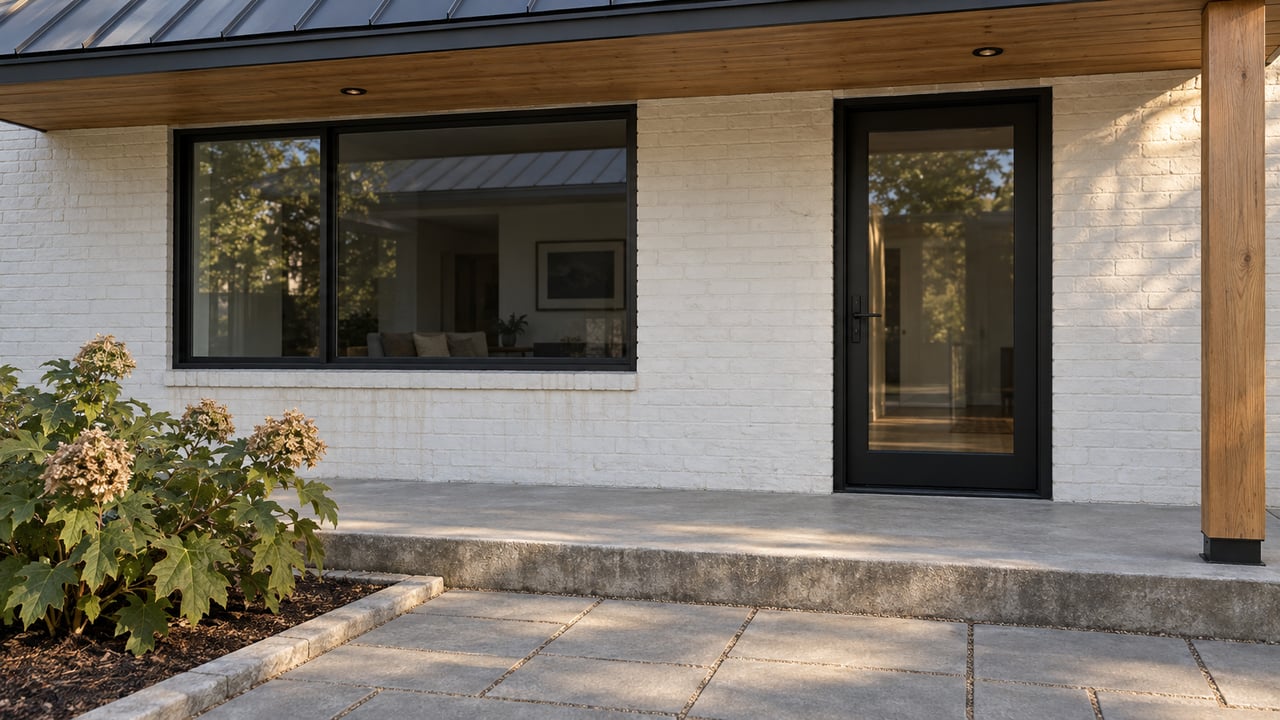
Official transportation sources checked October 19, 2026. Service arrangements can change; verify current schedules before relying on a route. All travel-time calculations above are explicitly hypothetical. Cover image is an AI-generated illustration of a Nashville-style residential workspace.