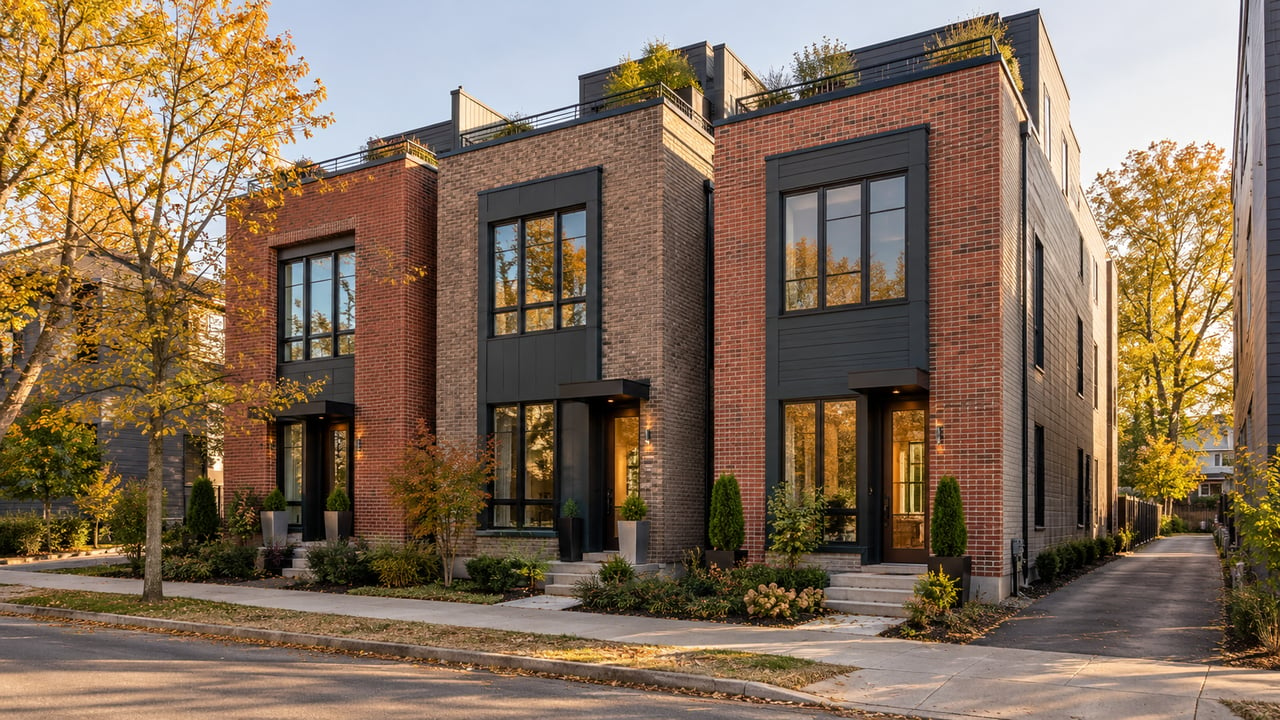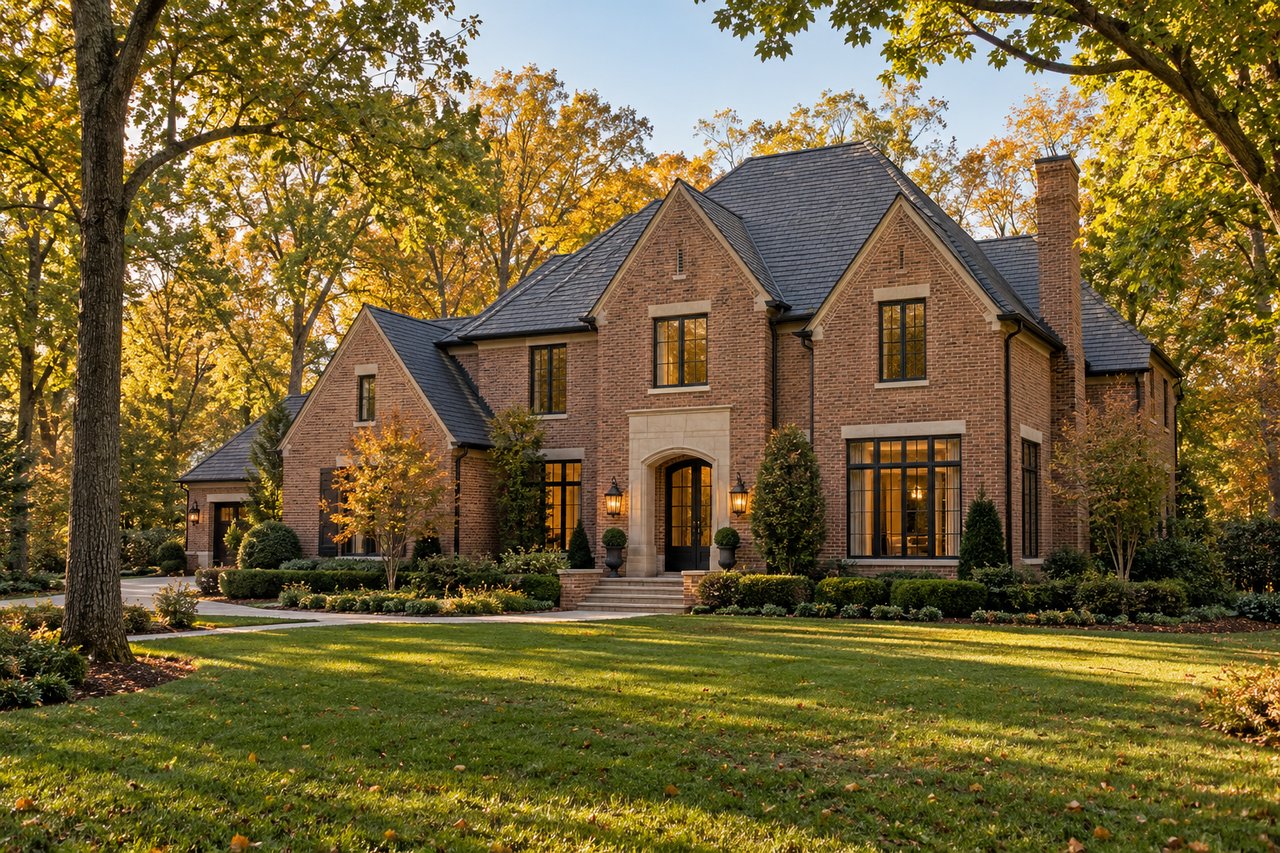
A Nashville luxury comparable-sale packet should explain why each home belongs in the comparison before it asks you to accept a price. Start with the property being valued, separate completed sales from current competition, and identify differences in land, condition and construction status. The most useful result is a supported range with visible uncertainties.
This matters when a search brings together a renovated estate, an older home with substantial land and a recently completed infill house. A similar asking price or living-area total does not establish that buyers would treat them as substitutes. Use the review below to turn a collection of attractive listings into a decision file.
Write the subject-property brief first
Before opening a comparable search, record the home you are actually evaluating. Include its parcel, property type, location, lot configuration, measured living-area basis, construction year, renovation scope, parking and important outdoor improvements. Add the effective date of your analysis and the purpose: a purchase decision, a listing strategy or a lender's appraisal assignment.
Describe condition with evidence. “Updated” might refer to paint and lighting, a permitted addition or a substantial systems replacement. Ask what changed, when it changed and which records support the description. An attractive kitchen photograph cannot establish the age of the roof or the quality of concealed work.
For a Nashville buyer comparing locations, our Belle Meade, Forest Hills and Brentwood comparison provides a starting point for the location discussion. The comparable packet still needs to explain the competitive relationship of the particular homes.
Give every candidate a role
Divide the packet into primary closed-sale evidence, secondary context and current competition. Put a candidate in one of those groups for an explicit reason. A nearby active listing can help you understand the buyer's alternatives, but its asking price does not document what a completed transaction achieved.
Fannie Mae's comparable-sales guidance emphasizes similar physical and legal characteristics and the market in which properties compete. It permits competing-area sales with an explanation. It also distinguishes closed comparables from supporting listings. Those are useful evidence principles; a luxury purchase may use a different loan program with its own appraisal requirements.
Keep an exclusion log. If a candidate is rejected because it is an unfinished project, a different ownership form or a materially different site, leave that reason in the file. This makes it possible to distinguish a disciplined search from a packet that simply omits inconvenient evidence.
Separate the land question from the house question
Record both gross lot size and the attributes a buyer could actually use: access, shape, slope, existing improvements, privacy and any documented limitations. A large parcel with a small practical building or recreation area asks a different question from a smaller parcel with an efficient layout. Obtain the relevant survey and professional review before treating apparent usable space as established fact.
The Davidson County Assessor's property search is a useful starting place for records. Its appraisal explanation describes a mass-appraisal process and a dated reappraisal snapshot. Keep that tax-purpose value separate from a current property-specific pricing conclusion.
Do not subtract a tax-record land allocation from a sale price and present the remainder as a verified market value for the building. If the analysis needs a land-value estimate, ask the advisor or appraiser to identify the evidence and method supporting it. Land sales, teardown candidates and improved sales answer related questions, but they need interpretation.
Build a comparison sheet with an evidence column
For each candidate, the sheet below separates what is known from what still needs work. It is a review tool, rather than an automated valuation formula.
Comparison item | Record in the packet | Question it resolves |
|---|---|---|
Transaction and timing | Closed, pending or active status; verified price where available; contract and closing dates | Is this a completed result or a current seller's expectation? |
Location and site | Parcel, setting, lot configuration, access and documented limitations | Would the same buyer seriously consider both properties? |
Living area and layout | Source and measurement basis; separate spaces and their functions | Are the displayed area totals describing comparable accommodation? |
Condition and construction | Completion status, renovation scope, systems information and supporting records | Which differences are cosmetic, functional or unresolved? |
Transaction terms | Verified concessions, included personal property and remaining unknowns | What accompanied the headline price? |
Analytical role | Primary evidence, secondary context or competition; reason for inclusion | How much influence should this row have? |
Review new construction as a completed product and a transaction
Identify whether each new-construction candidate was completed, still being built or offered with an allowance when its terms were negotiated. Ask which finishes, landscaping, appliances and outdoor features were included in the reported transaction. A base offering and a completed upgraded home should not enter the packet under the same description.
Separate the buyer's cash benefit from the valuation treatment of an incentive. Fannie Mae's adjustment guidance calls for market-supported adjustments and explains that a concession's impact is not automatically its dollar cost. It also evaluates market changes from a comparable's contract date to the appraisal's effective date. Ask the professional doing the analysis how those issues were handled.
For the broader ownership decision, our new-construction versus resale discussion identifies incentive and exit questions. The comparable packet should document the actual terms available for the homes under review.
Test whether the conclusion depends on one weak row
Ask for the reasoning with the least comparable primary sale removed. Then ask what changes if an unresolved condition assumption remains unresolved. These are sensitivity questions, not instructions to discard unfavorable sales or manufacture a preferred number.
If the indicated range changes substantially, the conclusion needs a clear explanation of that dependence. A thin evidence set should be described as thin. Additional inspection, a better transaction verification or an appraisal may contribute more than another spreadsheet decimal.
Before making an offer or setting a list price, request the subject brief, candidate sheet, exclusion log, sources and remaining questions together. The Costigan Group's Nashville luxury advisory can help organize that review around the particular home and the decision you need to make.
About the author: Jack Costigan leads The Costigan Group at Compass in Nashville, advising buyers, sellers and investors across residential real estate and short-term rentals.
Sources checked October 19, 2026. This article presents a comparable-packet review method, not a property valuation or a statement that one loan program's rules apply to every luxury transaction. The cover is an AI-generated illustration of a Nashville-style home.