A skyline view can sell you on The Gulch in seconds. But if you are buying a condo here, the real decision usually comes down to what happens behind the scenes: the building’s finances, rules, parking setup, and how the property works for your day-to-day life. If you want to buy with more confidence and fewer surprises, this guide will show you what to evaluate beyond the view. Let’s dive in.
Why building details matter in The Gulch
The Gulch is not a one-size-fits-all condo market. It is a compact 91-acre mixed-use district in downtown Nashville, known for walkability, high-rise living, restaurants, boutiques, nightlife, and transit access.
That sounds simple on paper, but the buyer experience can vary a lot from one building to the next. The neighborhood includes a wide range of residential properties, from loft-style options to full-amenity towers like ICON, Terrazzo, Twelve Twelve, Aspire Gulch, and others. In practice, that means you are often choosing a specific building lifestyle more than you are choosing a general neighborhood.
Look past finishes and views
A great kitchen, nice staging, and a dramatic balcony view can make a unit feel like an easy yes. Still, the smarter question is whether the building itself supports long-term value, financing, and smooth ownership.
In a condo purchase, the building can affect your financing options, monthly costs, future resale appeal, and risk exposure. That is why experienced buyers in The Gulch usually spend as much time reviewing the association and the property records as they do comparing interiors.
Review HOA financial health
One of the most important parts of condo due diligence is understanding the homeowners association. The HOA helps manage the common elements, building operations, and reserve planning, so its financial health can directly affect your ownership experience.
You will want to review the association budget, current reserves, and any history of special assessments. A lower monthly HOA fee is not always better, especially in a high-rise environment where fees may cover exterior upkeep, common areas, water, sewer, trash, insurance, and reserve funding.
What to ask about reserves
Reserve strength matters because major building components wear out over time. Elevators, roofs, mechanical systems, shared interiors, and exterior materials all need long-term planning.
Tennessee law now adds more structure here. In covered situations, reserve studies must be obtained or updated, updated every five years, and made available electronically or on the community website. For you as a buyer, that makes the reserve study one of the most useful documents to request early.
Watch for special assessments
Special assessments can change the economics of a condo purchase fast. If a building has deferred maintenance or underfunded reserves, owners may be asked to contribute extra funds for repairs or upgrades.
That does not automatically mean a building is a bad choice. It does mean you should understand what happened, whether the issue has been resolved, and whether more large expenses may be coming.
Check building condition and records
In The Gulch, building condition matters just as much as unit condition. Lenders commonly look at the physical condition of the community, structural issues, pending litigation, mandatory inspections, and other project-level concerns.
For you, that means it is smart to review the building’s overall maintenance history before getting too attached to finishes or floor level. A well-run building with a less dramatic view can sometimes be the stronger long-term buy.
Documents worth reviewing
Before you commit, focus on the core records that explain how the building operates:
- Declaration
- Bylaws
- Current budget
- Reserve study
- Master insurance information
- Special assessment history
Tennessee law requires associations to keep financial records detailed enough to meet state requirements, and those records must be reasonably available to unit owners, mortgage holders, and authorized agents. That access can give you a clearer picture of how seriously a building is managed.
Use local public tools
Metro Nashville public tools can also help you investigate a property. Buyers can check parcel permit history and codes-violation history, which may help surface recurring issues or major work completed at the building address.
This step is especially useful if you are comparing multiple buildings with similar pricing. It adds another layer of fact-based context beyond listing photos and marketing language.
Understand what the HOA fee really covers
Monthly HOA fees can look high to buyers coming from traditional single-family homes. In a high-rise neighborhood like The Gulch, though, the fee often reflects much more than shared hallways and landscaping.
Depending on the building, condo fees may cover exterior maintenance, common areas, water, sewer, trash, insurance, and reserve contributions. The key is to compare value and coverage, not just the number itself.
A building with stronger reserves and more complete coverage may be a better asset than one with a lower fee and thinner financial planning. That is especially true if you care about resale and lender friendliness down the road.
Compare parking carefully
Parking is one of the biggest condo variables in The Gulch. The area includes privately owned lots and garages, while Metro-managed street parking is priced at $2.25 per hour with a three-hour maximum, with a Gulch East exception noted after 5 p.m.
For condo buyers, that makes deeded spaces, assigned spaces, guest parking, and garage access more important than they might seem during a quick tour. Parking can shape your daily convenience and also influence resale demand later.
Questions to ask about parking
When comparing buildings or units, ask:
- Is parking deeded, assigned, leased, or first come, first served?
- How many spaces come with the unit?
- Is guest parking available?
- Are there restrictions for oversized vehicles or EV charging?
- How easy is garage access during busy hours?
In a walkable district, some buyers assume they can compromise on parking. That may work for your lifestyle, but it is still worth evaluating because future buyers may see it differently.
Evaluate day-to-day livability
The Gulch is known for its urban energy, and that is part of the appeal. But the same features that make the neighborhood exciting can affect how a building feels once you actually live there.
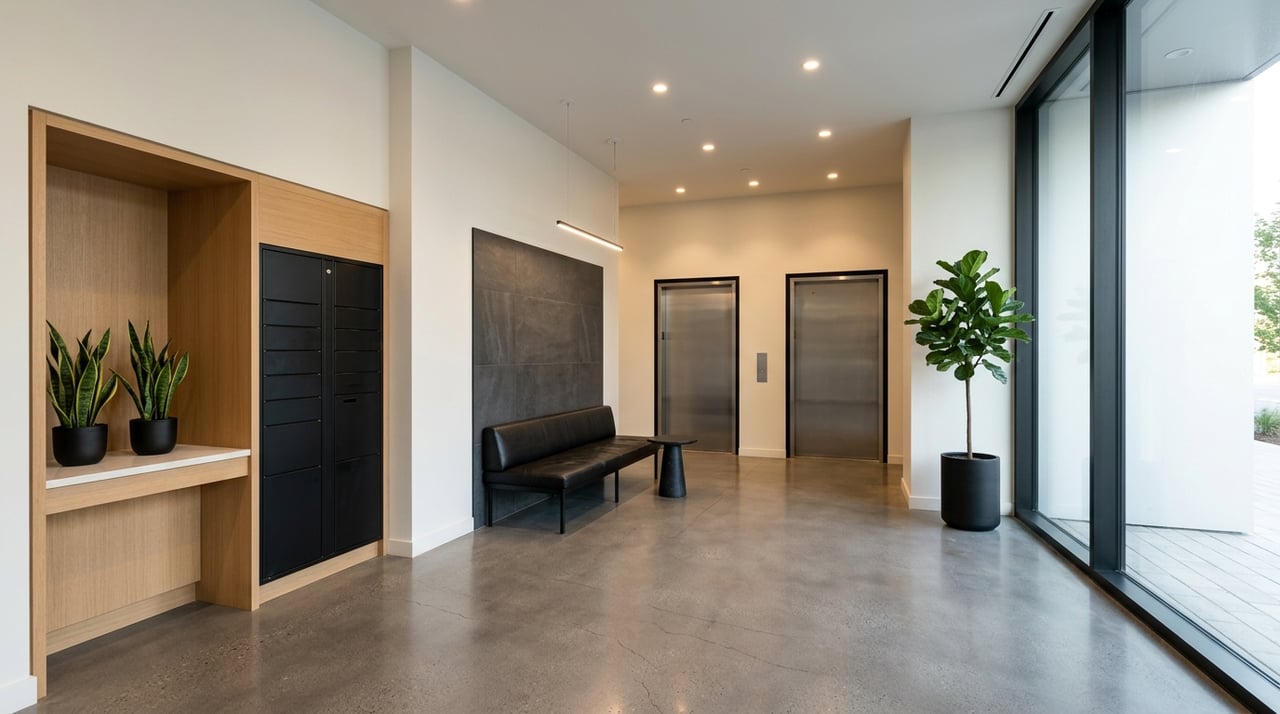
Beyond the view, pay attention to noise control, guest access, elevator wait times, package handling, and building security. These details matter even more if you want a lock-and-leave setup or spend part of the year elsewhere.
Think about your real routine
A condo can look perfect during a 20-minute showing and feel different during a normal week. Try to picture how the building works on weekday mornings, weekend evenings, and delivery-heavy days.
If you travel often, ask how the building handles access, staffing, and package storage. If you work from home, think about noise and traffic patterns. If you entertain, guest entry and parking may matter more than an extra floor of elevation.
Verify rental rules before you buy
If rental flexibility matters to you, do not rely on assumptions. In Nashville, short-term rental rules are strict, and The Gulch is the kind of market where buyers can easily overestimate what a condo allows.
The city requires a short-term rental permit before a property can be listed, limits guest stays to 30 consecutive days, and requires annual renewal. It also separates owner-occupied and not owner-occupied permit types, with different eligibility rules and zoning limits.
Two layers of rental rules
In a Gulch condo purchase, you need to verify both of these:
- Metro Nashville short-term rental rules
- The condo building’s declaration and bylaws
A unit may meet city rules but still be limited or prohibited by the association. If rental use is part of your plan, this should be confirmed before you get emotionally committed to a unit.
Think about resale from day one
The Gulch commands pricing above the broader regional condo market. Greater Nashville Realtors reported a regional condominium median price of $345,000 in April 2026, while Redfin reported a Gulch median sale price of $570,808 for the three months ending May 2026. That Gulch figure should be treated as directional, but it still helps show the neighborhood sits at a higher price point than the broader metro condo market.
At that level, resale usually depends on more than visual appeal. Buyers tend to weigh parking, HOA strength, rental policy, floor plan efficiency, and overall building reputation right alongside the view.
Features that often support resale
When you think about future value, focus on fundamentals like:
- Efficient layout
- Functional parking
- Well-documented HOA operations
- Clear rental rules
- Strong reserve planning
- Smooth day-to-day building experience
These are the details that tend to hold up when the market gets more selective.
A smart Gulch buying approach
If you are buying in The Gulch, it helps to treat the process like a building-by-building analysis, not just a neighborhood search. The unit still matters, of course, but the stronger decision usually comes from understanding how the entire property performs.
That means balancing lifestyle with documentation. The view may get your attention, but the HOA records, parking setup, insurance, reserve planning, and rental rules are what help protect your downside and support long-term value.
If you want a strategic read on Gulch condos, from building differences to resale and rental considerations, Jack Costigan can help you evaluate the details that matter before you buy.
FAQs
What should you review before buying a condo in The Gulch?
- You should review the declaration, bylaws, budget, reserve study, master insurance information, special assessment history, parking details, and any available permit or codes history for the building.
Why do HOA reserves matter for a Gulch condo purchase?
- HOA reserves help show whether the building is planning responsibly for future repairs and replacements, which can affect your monthly costs, risk of special assessments, and resale appeal.
How important is parking when buying a condo in The Gulch?
- Parking is a major factor because The Gulch has private lots and garages, and Metro street parking has hourly pricing and time limits, so deeded or assigned parking can affect both convenience and future resale.
Can you use any Gulch condo as a short-term rental?
- No. You need to confirm both Metro Nashville short-term rental rules and the condo building’s own declaration and bylaws before assuming a unit can be used that way.
Does a lower HOA fee make a Gulch condo a better buy?
- Not always. A lower fee can mean fewer services or weaker reserve funding, so it is better to compare what the fee covers and how well the building is financially managed.