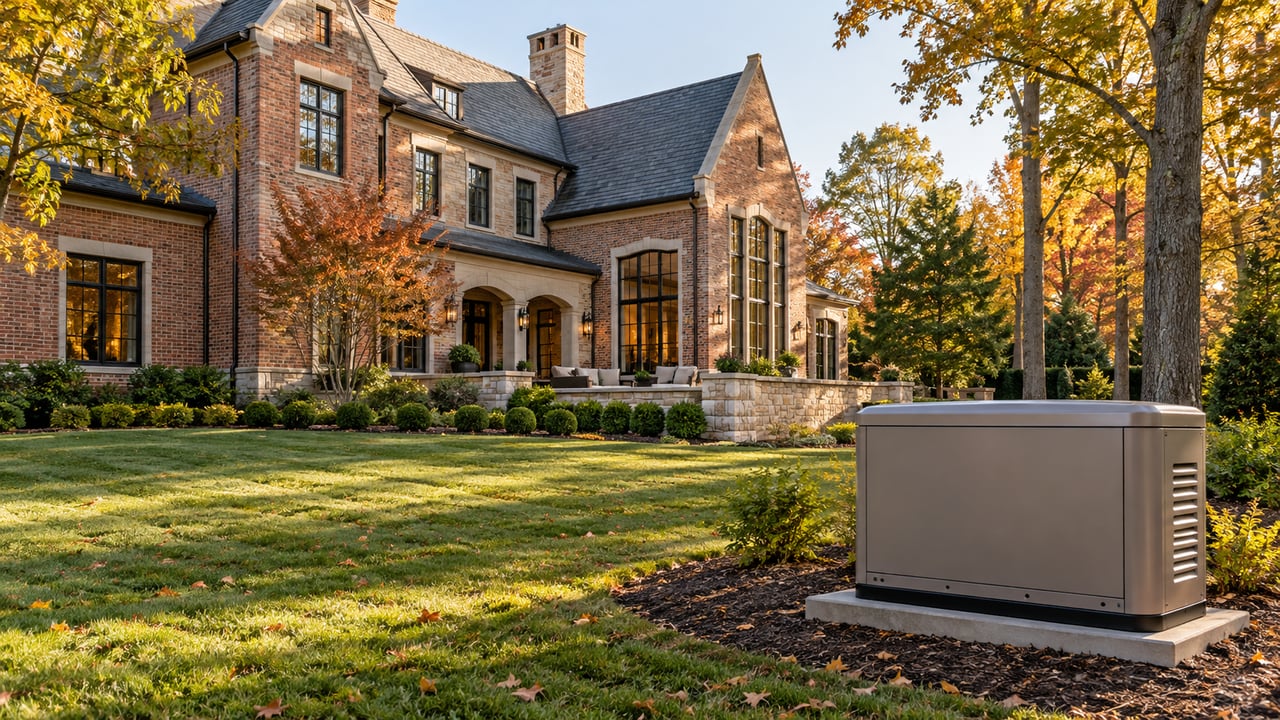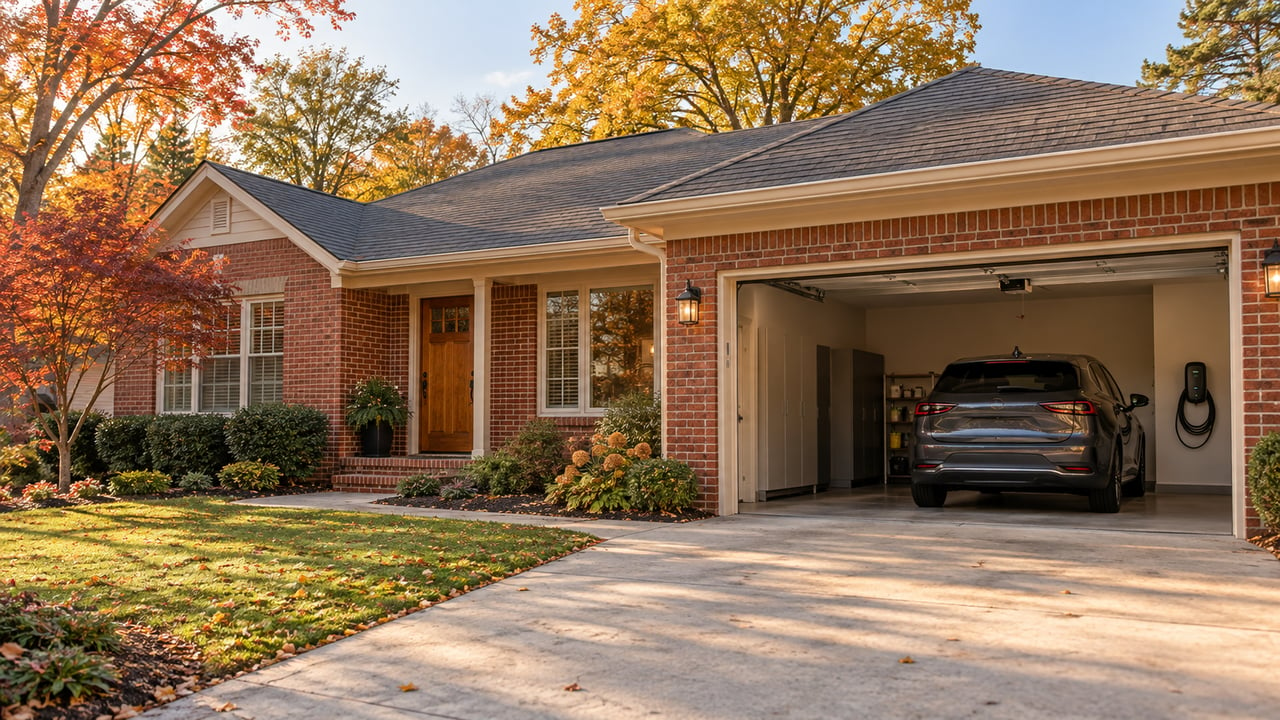
If you are moving to Nashville with an electric vehicle, evaluate the charging routine alongside the house and commute. A wall unit in a listing photo, an outlet in the garage and a charging-station pin near work answer different questions. Before relying on any of them, confirm compatibility, access and the time your vehicle can actually spend connected.
The useful result is a property-specific charging plan: the arrangement available at move-in, any work or permission still needed, and a workable alternative while that question is resolved. A home can be a strong fit even when its charging setup needs work, provided the scope, timing and remaining uncertainty are clear.
Start with the week you will actually drive
Write down your expected workdays, departure and return times, routine errands and longer trips. Use your own vehicle's information and driving experience to estimate charging needs. Keep a second vehicle's needs visible if two drivers will share one charging location.
Then compare the daily routine from each candidate address. A house that shortens the commute may have different parking constraints; a larger garage farther out may change both driving and charging time. Neither the neighborhood label nor the advertised charger settles the comparison.
Include charging questions in the property-verification discussion for a remote purchase. A video can show where equipment sits. It cannot establish electrical capacity, compatibility or installation approval.
Identify what the home actually includes
Ask for the installed equipment's manufacturer, model, manual and available installation or service records. Confirm whether the wall unit, cable and any associated equipment are included in the proposed sale. Separate the physical hardware from a seller's app account, subscription or access permissions.
A garage outlet is a starting observation rather than a charging certification. The Department of Energy's home-charging guidance recommends matching equipment to the vehicle and having a qualified electrician assess the home's capacity. It also explains that installations must follow applicable codes and may require permits. Have the appropriate contractor and local authority resolve those questions for the address.
Do not open electrical equipment, improvise adapters or test an unknown circuit to complete a house tour. Arrange a qualified review of the actual installation and proposed use. Ask the reviewer to state what was inspected, what remains concealed or unverified and what further work is needed.
Connect the parking right to the charging location
For a condo or shared development, identify the parking space the buyer can use before evaluating the charger beside it. Request the current assignment, governing rules and written answers about use, installation, billing and any proposed changes. A charger in a common garage does not establish that a particular unit has exclusive access.
The Gulch condo buyer's framework places parking within the broader building review. For an EV household, extend that review to the charging arrangement: who may use it, when, how payment works and what happens if another vehicle occupies the space.
Candidate arrangement | Evidence to obtain | Relocation question |
|---|---|---|
Existing home charging unit | Model/manual, professional review and included-equipment confirmation | Does the verified setup serve this vehicle and expected charging window? |
Garage outlet only | Qualified electrical assessment and vehicle-manufacturer guidance | What can be supported now, and what remains to be installed? |
Shared condo charging | Current access, parking, booking and billing rules | Can the household reliably use the arrangement on its normal schedule? |
Proposed installation | Complete contractor scope, necessary approvals and utility coordination | What is the supported plan before the installation is finished? |
Confirm the utility and the complete project scope
Nashville Electric Service describes its territory as Nashville and Davidson County plus parts of surrounding counties. Verify the provider for the exact home rather than carrying one utility assumption across every Greater Nashville address.
NES also provides an official EV resource page with charging guidance and utility contacts. For the property under review, ask the serving utility and qualified contractor about the proposed work and any service coordination. Confirm the current applicable tariff directly; a general national electricity example is not the home's rate.
Obtain a written quote that explains equipment, installation, any additional electrical or site work, permits, approvals and exclusions. Ask which parts are confirmed and which depend on further review. A device price alone cannot establish the complete project cost, and an estimated installation date should not become a guaranteed move-in amenity.
Verify vehicle compatibility before counting a public charger
The DOE's consumer EV guidance recommends checking compatibility with the vehicle manufacturer. Use the exact vehicle, charging equipment and any manufacturer-supported adapter requirements. Do not infer compatibility from a connector's appearance or a network's name alone.
The Alternative Fueling Station Locator supports searches by location and route. Use it to identify candidates near the home, work or a regular trip, then verify current access and operational information with the operator. A map listing is a research lead, not a reservation or a promise that a port will be free when you arrive.
Check the station's actual entrance, access hours, connector, parking conditions and current payment requirements. Include the time needed to reach it and the activity you can reasonably do while waiting. A charger near a workplace is less useful if access is restricted to a different building's occupants or the vehicle cannot remain there for the required time.
Plan the first week separately from the finished setup
If an installation or account handoff remains open, write a temporary plan before the move. Identify the supported charging locations, their current conditions and the person responsible for confirming them. Keep an alternative in the plan rather than relying on a single unverified station.
For each candidate home, summarize the move-in arrangement, unresolved work or permission, dated quote where obtained, expected completion basis and fallback. Update the comparison if the move date, vehicle or parking arrangement changes. This makes the tradeoff visible without inventing a Nashville-wide installation cost or charging-time promise.
Through The Costigan Group's Nashville relocation service, bring the charging plan into the same conversation as commute, home layout and daily routines. The goal is a home whose verified setup fits the way your household will live.
Written by Jack Costigan, The Costigan Group. Official source guidance checked October 20, 2026. No private property, installation or public charging session was inspected or tested for this article. Obtain current property-specific professional advice. Cover: an AI-generated illustrative Nashville-area home, not an actual listing or approved electrical installation.