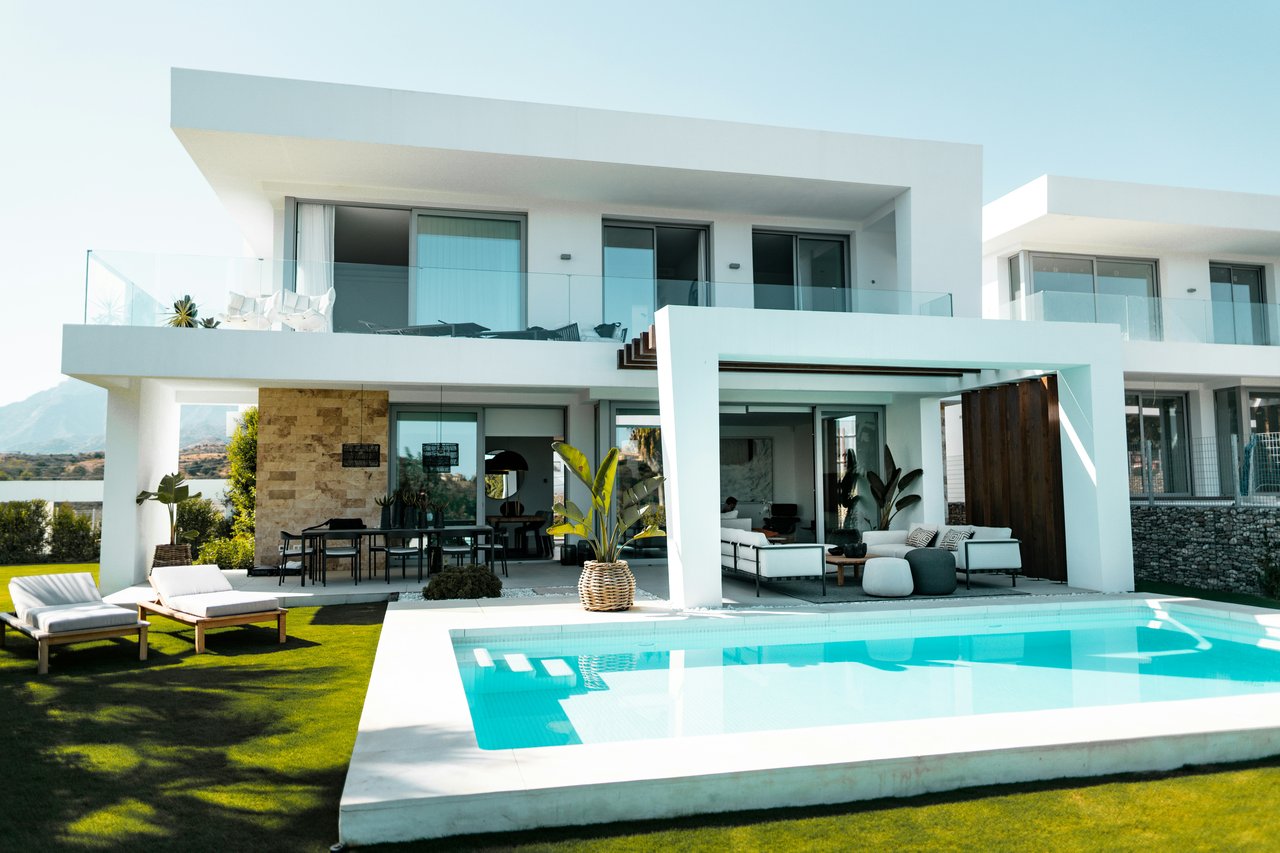
A four-bedroom home in East Nashville's Lockeland Springs sold in June 2026 for $712,000. Conventional financing, 20 percent down, 30-year fixed. The buyers — a couple relocating from Chicago — went under contract on their second trip to Nashville, having toured 11 homes across three neighborhoods over one long weekend. They closed in 38 days. The whole process, from their first search alert to keys in hand, took just under three months.
That transaction is not a unicorn. It is what a disciplined, well-advised relocation looks like in this market. It also contains almost every decision you will face when moving to Nashville: which county, which neighborhood, what price band, how to finance, and how to move fast enough to compete without making a panicked choice.
This guide takes that deal apart. Every layer — taxes, commute, school zoning, cost of living, neighborhood tradeoffs, and the buying process itself — explained in the context of what an out-of-state buyer actually needs to know before making a six-figure decision from 800 miles away.
The First Decision Nobody Tells You to Make: Which County
Most people searching homes online treat Greater Nashville like one market. It is not. It is at least three, divided by county lines that carry real financial consequences. The county you choose determines your property tax rate, your school district options, your commute, and your price floor — before you even pick a neighborhood.
Davidson County is Nashville proper. In the three months ending May 2026, Nashville home prices were up 0.5% compared to the same period last year, with a median sale price of $475,000, according to Redfin. That figure includes everything from a $300,000 starter in Antioch to a $2.8 million estate in Belle Meade — so treat the median as orientation, not a budget. According to Greater Nashville Realtors, Davidson County's median home sales price for the year through June 22 sits at $525,000.
Davidson County's combined tax rate — county plus city — runs approximately $3.254 per $100 of assessed value. Tennessee assesses residential property at 25 percent of appraised value, so on a $525,000 home, your annual tax bill comes to roughly $4,270. That is not a low number by Tennessee standards. It reflects the consolidated city-county government that funds Metro Nashville's services.
Williamson County — Franklin, Brentwood, Nolensville, Thompson's Station — is a different market entirely. Franklin closed 978 homes over the trailing six months at a $949,995 median; Brentwood, over the same window, posted a $1,320,000 median at nearly identical price-per-square-foot of $346. The per-foot parity is the tell: Brentwood is not more expensive because it is finer real estate on a unit basis. The houses are larger, on bigger lots, sitting roughly 10 miles closer to downtown than Franklin.
Williamson County's combined tax rate runs approximately $1.73 per $100 of assessed value — that same $400,000 home costs roughly $1,730 per year in property taxes. The tradeoff is obvious: you pay less in taxes but more for the house. For most Williamson County buyers, those two numbers roughly offset each other.
The honest version of this choice: if your budget is under $700,000 and you want more house, Davidson County — specifically East Nashville, The Nations, or Donelson — wins. If school district is the driver and budget can stretch past $750,000, Williamson County is worth the premium. If you are spending $1.5 million or more and want the most prestigious Nashville address, the luxury market in Belle Meade, Forest Hills, and Green Hills offers an entirely different tier within Davidson County.
The Tax Picture: What You Actually Keep
The headline is real. Tennessee has no state individual income tax. That is not marketing language. A physician relocating from California earning $400,000 a year saves approximately $37,000 annually in state income taxes the moment they establish Tennessee residency. For high earners and remote workers no longer tethered to high-tax states, this is often the single largest financial benefit of the move.
But the full picture has a counterweight. Tennessee's combined state and average local sales tax rate is 9.61 percent — one of the highest in the country. Tennessee taxes groceries at a reduced 4 percent state rate, a notable burden most states avoid by exempting groceries entirely. The no-income-tax advantage is real, but you will feel the sales tax every week at the grocery store, every time you furnish a room, and every car purchase.
Property taxes are low by national comparison but vary sharply by location. Davidson County's effective property tax rate runs approximately 0.65 to 0.75 percent. For context, Illinois runs roughly 2 percent and New Jersey exceeds 2.2 percent. The buyer from Chicago who closed in Lockeland Springs saves on income tax, saves on property tax versus Illinois, and pays more in sales tax. Net: she comes out ahead. Meaningfully ahead.
One nuance worth flagging: Tennessee imposes no state estate or inheritance tax. For buyers relocating later in life, or those building multigenerational wealth, that matters.
Anatomy of the Lockeland Springs Decision
Back to that $712,000 East Nashville sale. Why did these buyers land in Lockeland Springs instead of one of the other ten neighborhoods they considered? The answer reflects a decision framework worth borrowing.
Commute first. The buyer works three days per week in SoBro. Historic Edgefield and the western edge of East Nashville sit five to seven minutes from downtown Nashville by car; Five Points and Lockeland Springs run eight to twelve minutes depending on traffic. That was a hard ceiling. Brentwood, which they briefly considered, is 22 miles from downtown — workable with a hybrid schedule, but not what they wanted.
Price-to-character ratio. They wanted a house with age in it. Not new construction. Not a "tall and skinny." As of early 2026, the median home value in East Nashville (37206) is $631,000, and the most active price range is $400,000 to $600,000, where smaller Craftsman bungalows and updated cottages trade most frequently. At $712,000, they landed at the upper end of the 37206 core market — a renovated four-bedroom on a 50-foot lot, two blocks from the Five Points corridor.
School zoning, verified before offer. This is where out-of-state buyers most commonly get burned. School assignments in Nashville are address-specific, not neighborhood-wide. Two homes on different sides of the same block can be zoned for different schools. The buyers verified their specific address against Metro Nashville Public Schools' zoning tool before submitting any offer. That is not optional due diligence. It is required. See our full Nashville relocation resource for guidance on how to run that check before your offer is written.
Financing that fit the asset. The 2026 conforming loan limit of $832,750 covers the large majority of Davidson County purchases, meaning conventional financing is on the table for most buyers without stepping into jumbo territory. At $712,000 with 20 percent down, the loan amount was $569,600 — comfortably below the conforming ceiling. No jumbo pricing required.
The Nashville Neighborhood Matrix: Where Different Budgets Actually Land
Every relocation buyer eventually asks: where should I actually look? The answer depends on three variables — budget, commute tolerance, and what kind of neighborhood experience you want. Here is how the major zones break down in mid-2026.
East Nashville (37206): Character-driven, walkable pockets, Craftsman and cottage stock mixed with modern infill. Median around $631,000. Best for buyers who want a neighborhood with an identity — coffee shops, local restaurants, sidewalks — and a short commute to downtown. BNA airport is 12 to 18 minutes from most of East Nashville — one of the neighborhood's underrated advantages for frequent travelers.
Germantown (37208): Around $665,000 as of early 2026. Condos and smaller rowhouses start at $420,000 to $650,000; historic single-family homes on the core streets run $750,000 to $1.5 million-plus. One mile north of downtown, walkable to First Horizon Park and the Nashville Farmers' Market. The premium for that proximity is real.
12 South (37204): As of early 2026, the median estimated home value in the 37204 ZIP code is $1,044,130, up 9.8 percent over the past 12 months; the median sold price in January 2026 was $1,187,500. One of the most expensive ZIP codes in Nashville proper. Buyers here tend to have very specific reasons — walkability, Sevier Park, the commercial corridor on 12th Avenue — and resale strength reflects it. See our full Nashville neighborhoods guide for a deeper breakdown of every major pocket.
The Gulch / SoBro: Predominantly condo product. Prices range from $450,000 for a well-located one-bedroom to $2 million-plus for a penthouse unit. Built for buyers who want urban density and building amenities. Parking is a real consideration. HOA fees are not trivial.
Green Hills / Belle Meade / Forest Hills: The established west side. The price floor starts around $800,000 and rises quickly. Only if your loan amount is above the 2026 conforming limit of $832,750 do you step into jumbo territory — which mostly applies in luxury areas like Belle Meade, Forest Hills, and parts of Green Hills and Williamson County. These neighborhoods draw buyers who want mature trees, larger lots, and top-of-market amenities without leaving Davidson County.
Franklin / Brentwood: As established above — Williamson County pricing with lower tax rates and top-rated schools. Brentwood to downtown Nashville is roughly 10 to 11 miles and about 18 to 20 minutes off-peak via I-65; Franklin to downtown is about 22 miles and closer to 25 to 30 minutes off-peak. Both are viable with a hybrid work schedule. Neither is right for someone who commutes five days a week to SoBro and doesn't want to sit on I-65.
The Cost of Living Reality Check
Nashville gets described as both "affordable" and "expensive" depending on which city the writer came from. Both descriptions are partially correct. Nashville's 2026 cost of living runs approximately $2,554 per month for singles and $5,624 per month for families of four, according to Salary.com's June 2026 data. Living costs are approximately 3 percent higher than the U.S. national average.
That national-average comparison obscures the income tax math. A household earning $200,000 in California pays roughly $17,000 to the state. In Tennessee, that number is zero. The higher sales tax costs that same household maybe $1,500 to $2,000 per year in additional outlay. The net financial improvement from moving to Nashville for a high earner is substantial — and it shows up immediately in monthly cash flow, not just at tax time.
Where Nashville does cost more: housing. Housing costs in Nashville run approximately 22.2 percent above the national average, according to Best Places data. That is the accurate pressure point. Rents are not cheap — as of May 2026, the average rent in Nashville is $1,950 per month according to Apartment List. Owning is not dramatically cheaper on a monthly basis, which is precisely why most serious relocators lean toward buying rather than renting long-term.
The Buying Process: What Happens Between Decision and Closing
Out-of-state buyers have one structural disadvantage: you cannot drive by a house on a Tuesday evening to check the street. Everything requires a trip, a video call, or a trust in your agent's eyes that most local buyers take for granted. Here is what a well-run Nashville relocation actually looks like, step by step.
Pre-approval before the first tour. Not pre-qualification — pre-approval. Full underwriting review. In a market where homes in Nashville receive 2 offers on average and sell in around 70 days, you will not have time to get financing in order after you fall in love with a house. Have a lender confirm your number before you board a flight.
The discovery trip. Plan one to two full days, three to four maximum. Any more than that and decision fatigue sets in. Tour no more than eight to ten homes. Force yourself to prioritize: neighborhood fit first, house second. You can renovate a kitchen. You cannot move the street.
Due diligence period. Tennessee uses a due diligence period typically ranging from 10 to 15 days, during which the buyer can inspect the property and negotiate repairs or credits. This is the window where an out-of-state buyer must move especially fast — scheduling inspectors, getting contractor bids, and making decisions remotely.
Contract to close. In Tennessee, the typical time between an accepted offer and closing is 30 to 45 days for a financed purchase, shorter for cash. That is the norm. Our Chicago buyers closed in 38 days. Build that timeline into your life plans: give notice at your apartment, coordinate movers, and line up utilities before the contract is signed, not after.
Remote closing is possible. Tennessee allows remote online notarization. Not every lender accepts it, but many do. Confirm this with your title company and lender early — it can save a last-minute trip to Nashville.
The Mistake Most Out-of-State Buyers Make
They optimize for the neighborhood they read about instead of the neighborhood that fits the life they are actually building here.
12 South is everywhere on relocation blogs. It is genuinely a strong neighborhood. It is also $1.3 million for a median sale and 162 active listings as of July 31, 2026, per RealTracs data. If your budget is $700,000, you are not buying the 12 South that social media shows you. You are buying the fringe of it — with less walkability and a longer walk to the Sevier Park farmers market.
The buyers who relocate well are the ones who match the neighborhood to their actual daily life: how many days per week they commute, whether they walk to dinner or drive, whether lot size matters more than walkability, whether school zoning is a hard constraint or a soft preference. Those are practical questions. They should drive the decision.
Our team's approach to relocation is built around exactly that — asking the right questions before the search starts, not after the offer is written. The Costigan Group's relocation division works specifically with out-of-state buyers navigating this process, and the team recently appointed a dedicated lead to that division to deepen that focus. That expansion was covered by the National Law Review earlier this year.
Related reading
- Nashville Relocation Services
- Explore Nashville Neighborhoods
- Nashville Neighborhoods: The Complete 2026 Guide to Where to Buy, Invest, and Live
Frequently Asked Questions
Does Tennessee really have no income tax, and does it apply immediately when I move?
Tennessee has no state income tax for 2025 or 2026. The state does not tax wages or salaries, and as of 2023, no form of personal income is taxed at the state level. The benefit applies from the day you establish Tennessee residency. If you change your domicile and driver's license to Tennessee mid-year, your Tennessee income for the remainder of that year is exempt from state income tax. Consult a tax advisor about your specific year-of-move situation, particularly if your former state has aggressive residency audit practices — California and New York are known for this.
Is it better to buy in Davidson County or Williamson County when moving to Nashville?
It depends entirely on your budget and priorities. Davidson County gives you more neighborhood variety, lower home prices, and a shorter commute to downtown — but a higher property tax rate. Williamson County gives you lower tax rates and top-ranked schools, but the median home price in Franklin runs roughly $650,000 to $950,000, and Brentwood runs higher still. Williamson County typically has a much lower tax rate, often under $2.00 combined, but the median home price there is significantly higher — you often end up paying a similar total tax bill, just calculated differently.
How long does it take to close on a home in Nashville as an out-of-state buyer?
The typical time between an accepted offer and closing in Tennessee is 30 to 45 days for a financed purchase. Out-of-state buyers with full pre-approval in hand before touring can move just as quickly as local buyers. The main risk for relocators is inspection scheduling and remote decision-making during the due diligence period build in a trip or have a trusted local contact on the ground.
What are Nashville's property taxes based on, and how are they calculated?
Tennessee uses a two-part formula: appraised value times the tax rate. Residential property is assessed at 25 percent of appraised value — so a $500,000 home has an assessed value of $125,000. Multiply that by your county's tax rate to get your annual bill. Davidson County runs approximately $3.25 per $100 of assessed value; Williamson County runs approximately $1.73. Always confirm the current rate with the county assessor before closing, as rates can be adjusted after reappraisal cycles.
Do I need to visit Nashville in person before making an offer, or can I buy sight-unseen?
Sight-unseen offers do happen in Nashville, and some buyers successfully close them. But the risk is real Nashville's neighborhoods change dramatically block by block, and photos rarely capture street-level context, noise, traffic, or the difference between a block that feels safe and one that does not. Our strong advice: make at least one in-person trip before going under contract. A focused two-day visit to the right neighborhoods will give you more confidence in your offer than any amount of online research.
What is the commute from Franklin or Brentwood to downtown Nashville actually like?
Brentwood to downtown Nashville is roughly 10 to 11 miles and about 18 to 20 minutes off-peak via I-65; Franklin to downtown is about 22 miles and closer to 25 to 30 minutes off-peak. Those numbers double during peak hours on I-65. If you are commuting five days a week, plan for 45 to 55 minutes each way on bad mornings. If you are hybrid two or three days per week it is very manageable. The commute question should be answered against your real work schedule, not the Google Maps estimate at 10 a.m. on a Sunday.
How competitive is the Nashville market for buyers in 2026 will I face bidding wars?
The Nashville housing market is somewhat competitive; homes receive an average of 2 offers and sell in around 70 days, according to Redfin's data through May 2026. The extreme multiple-offer environment of 2021 and 2022 has normalized. Well-priced, move-in-ready homes in strong neighborhoods still move quickly and can attract competing offers. Overpriced listings and homes needing significant work are sitting according to Greater Nashville Realtors, April 2026 data showed about six months of inventory across the region, which is often considered a balanced market. Your offer strategy should depend on the specific property and neighborhood, not a blanket market assumption.
About The Costigan Group
Jack Costigan is the founder of The Costigan Group at Compass in Nashville, where his team has closed more than $100 million in real estate across Greater Nashville and Middle Tennessee. Specializing in luxury advisory, investment, and short-term rental real estate, Jack is known for a data-driven approach that helps buyers, sellers, and investors understand the numbers, the neighborhood, and the long-term value before making a decision. Featured in Apple News as one of Nashville's most sought-after short-term rental advisors, Jack pairs deep local expertise with modern marketing and a strategy-first approach to real estate. Learn more at thecostigangroup.com.